rotating header

Sunday, July 25, 2021

The Flaw of the Excluded Middle

 Such is the title of an article written nearly 40 years ago in a missiology journal by Professor Paul Hiebert, a theologian and anthropologist who was one of Scott's professors at Trinity. He draws upon his childhood and early work in India to make us aware of our own blind spots culturally, which is one of the values of getting out of your limited experience and into the messy diversity of the world. The article argues that somewhere in the 1800's our Western culture embraced dualism, drawing a sharp divide between a secular scientific palpable visible reality (body) and a religious unseen invisible reality (soul). In the process, we lost sight of the "middle", the spiritual powers, ancestors, demons, saints, magic, that most cultures across most of time had taken for granted as real.

As cross-cultural workers, we need to understand the world views we move in. And in our culture here, the "excluded middle" is the most important reality of all. Sure there is a creator God and an afterlife. Sure, there is a tangible cause and effect world with mosquitoes that bring malaria, and injections that can cure it. But in the middle lies the question of why my child is bitten and not yours, with whether my crop will bring enough money to buy the injection or not, with who might be manipulating spirits and charms to bring me harm. A theology of a God who saves souls, and a science that creates pills, without explanations of how humans live together in a broken world, falls flat.

Interestingly, Christians through most of history have not forgotten this middle. 

Take the reality of sin and evil for instance. The puritans and the Anglicans talk about the a triple layer that is somewhat parallel to Hiebert's scheme. The devil reminds us that we have a spiritual enemy that opposes God. The world reminds us that we live in a broken system since the Fall, where thorns and thistles grow, drought and heat oppress, life is a terminal condition as Kate Bowler says, it is more difficult for some people than others to get a good education, and spiritual forces interact. And the flesh reminds us that our own center is awry, we choose greed and lust and hate, immediate gratification and security, self over neighbour, comfort over holiness almost every time.


As Americans, we can learn from other cultures to look back at Scripture with fresher eyes. When Jesus was faced with a man blind from birth, the religious establishment wanted to narrow the cause down to someone's personal sin (the flesh). Was it his, or his parents? Neither, Jesus said. This was a broken-world issue that became an opportunity for Jesus to show the nature of the Kingdom, a place of healing and sight. Jesus refused to be forced into reductionist world views, and so should we. Almost every time we encounter an evil, we can find many layers of cause and meaning. The preemie admitted Wednesday by Kacie, born too early, as his mom walked the path to the hospital in labor, the first twin falling out onto the dirt of the road and later dying, this one surviving, mom only 17, and already the child from her first pregnancy and the first twin from her second pregnancy dead. Who sinned? Hard to pinpoint that, but within the story there could likely be a predatory man who got her pregnant, or a school head teacher that took her parents' fees but failed to give her the skills to continue on.  But there is also a vast social and spiritual reality that expects teens to have babies, that doesn't plan for delivery, that spends money on other priorities, that applauds billionaires playing with rockets while accepting as inevitable the high infant mortality of this continent. There is a malevolent evil that opposes the life that God brings, that whispers lies. 

These are important questions, because as God's people we are called to a holistic proclamation of the Kingdom. Personal, individual repentance and change. Yes, many stories of that in the Bible and this is a core way that reality shifts, one person at a time. But the prophets also called out the courts and the Kings, the money changers and the hypocrites. Jesus also turned over the tables in the temple where a system of charging the poor for sacrifices had led to barriers to worship, where the gentiles had been unfairly excluded. And we fast and pray against capital-E Evil, the spiritual forces of darkness we read about in Ephesians 6, the principalities and powers that seek to control this world against the good will of God. Here in Bundibugyo, we preach and teach, invite kids to learn truth, train teachers and pastors, so that individuals can have new life. We also shore up a wobbly health system, sit on committees, plan school curriculum and nutrition outreaches, develop literacy programs, work on a community level for public good. And we pray and testify to the power of Jesus over every spiritual force that is harmful. 

The church in most places and most times has done the same. If the American church today approached the evil of the after-effects of centuries of enslavement in the same way we've approached abortion, think where we could be? For abortion, Christians go beyond individual choices one by one, we campaign and vote and take the abortion struggle to courts, attempt to change laws, work to provide options for health care and adoption, etc. Very much a systemic approach. And we continue to pray. So the same energy and breadth needs to go into all our work for justice!

Here's a glimpse of what's happening around Bundibugyo with our team over the last few days, which I think gives us hope that people of faith can work on micro and medium and macro levels to testify to God's goodness:

First, read this post by the McClures about their exciting data from the literacy work. They have built on earlier work to train teachers to teach children to read, and are trying to seed that out into more schools. Since schools are shut, we have small Kwegha Camps (outdoor, masks, spaced) going on this summer too.


Our kids went to learn about basket-weaving (Kacie is the field trip planner extraordinaire) and our interns about pottery making (thanks Ann). These are ways we celebrate the beauty of Bundibugyo, the skills of our community, put ourselves in a learning posture, and support indigenous arts.


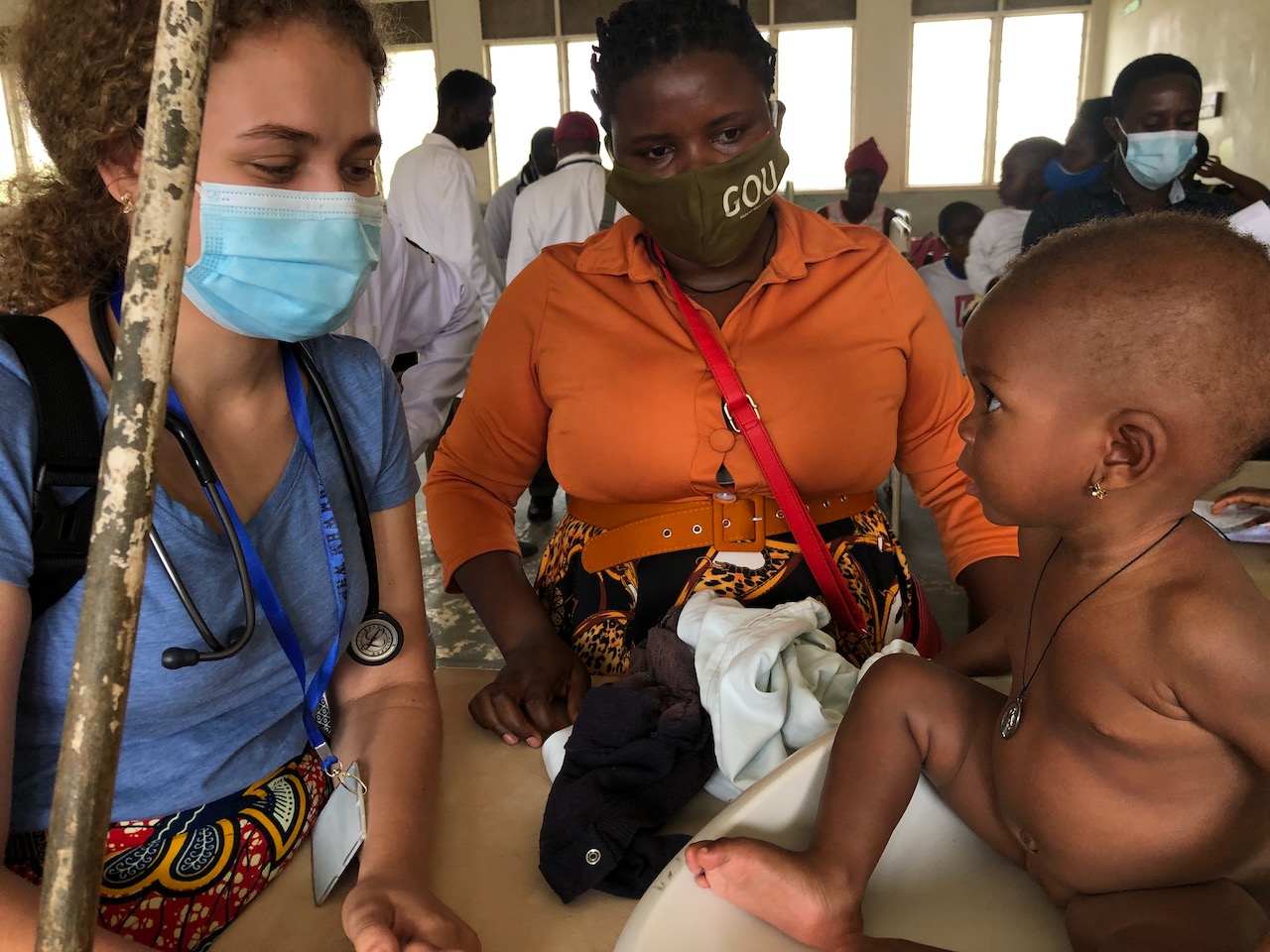
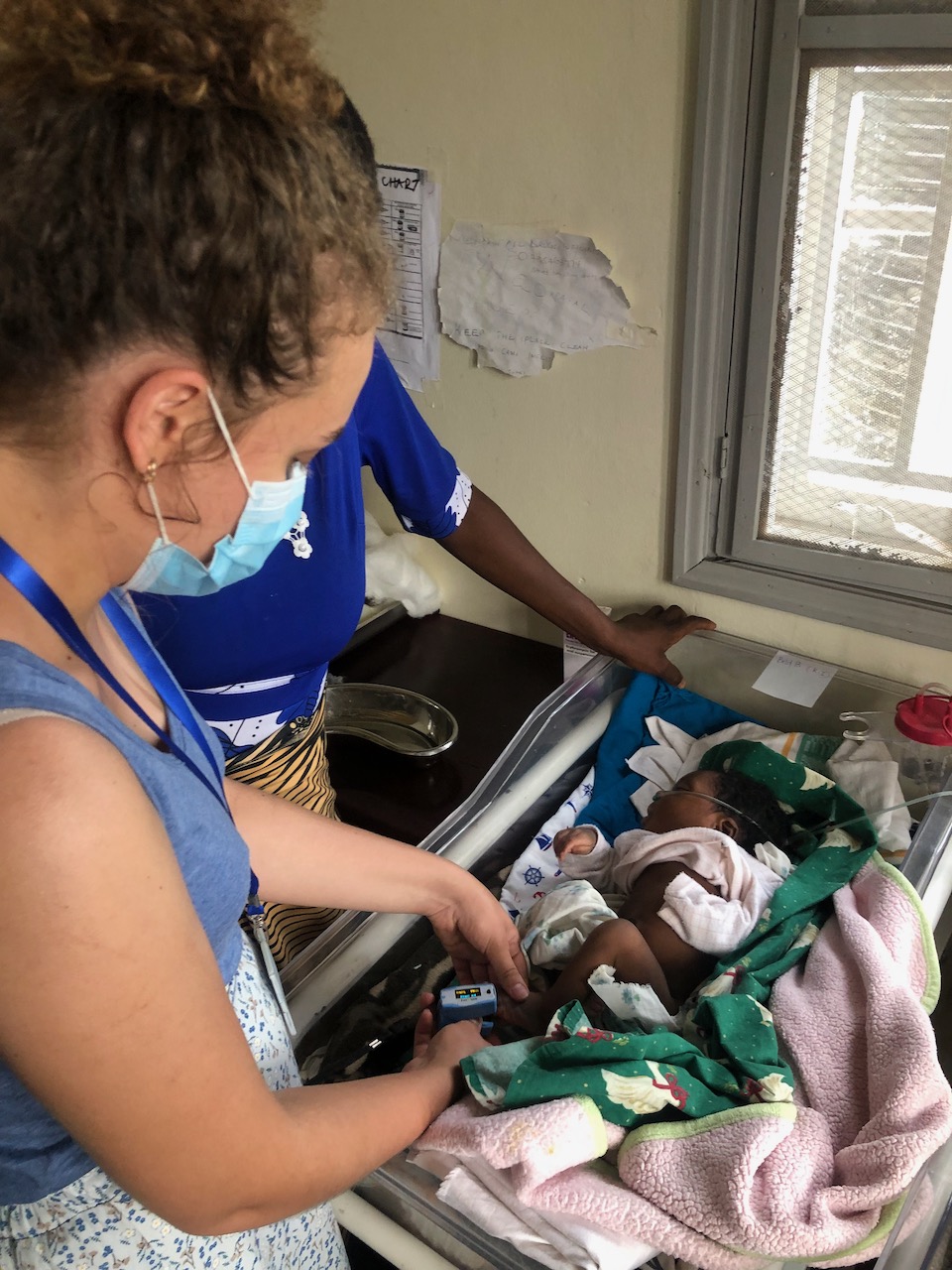
We continue to try and support the medical care of this district, Scott in maternity and buying electricity for the oxygen concentrators, me in NICU and Paeds seeing baby after baby. The wards are crowded and sometimes desperate, the improvements are multi-layered one-patient-at-a-time, teaching and improving systems for all, and prayer-based.

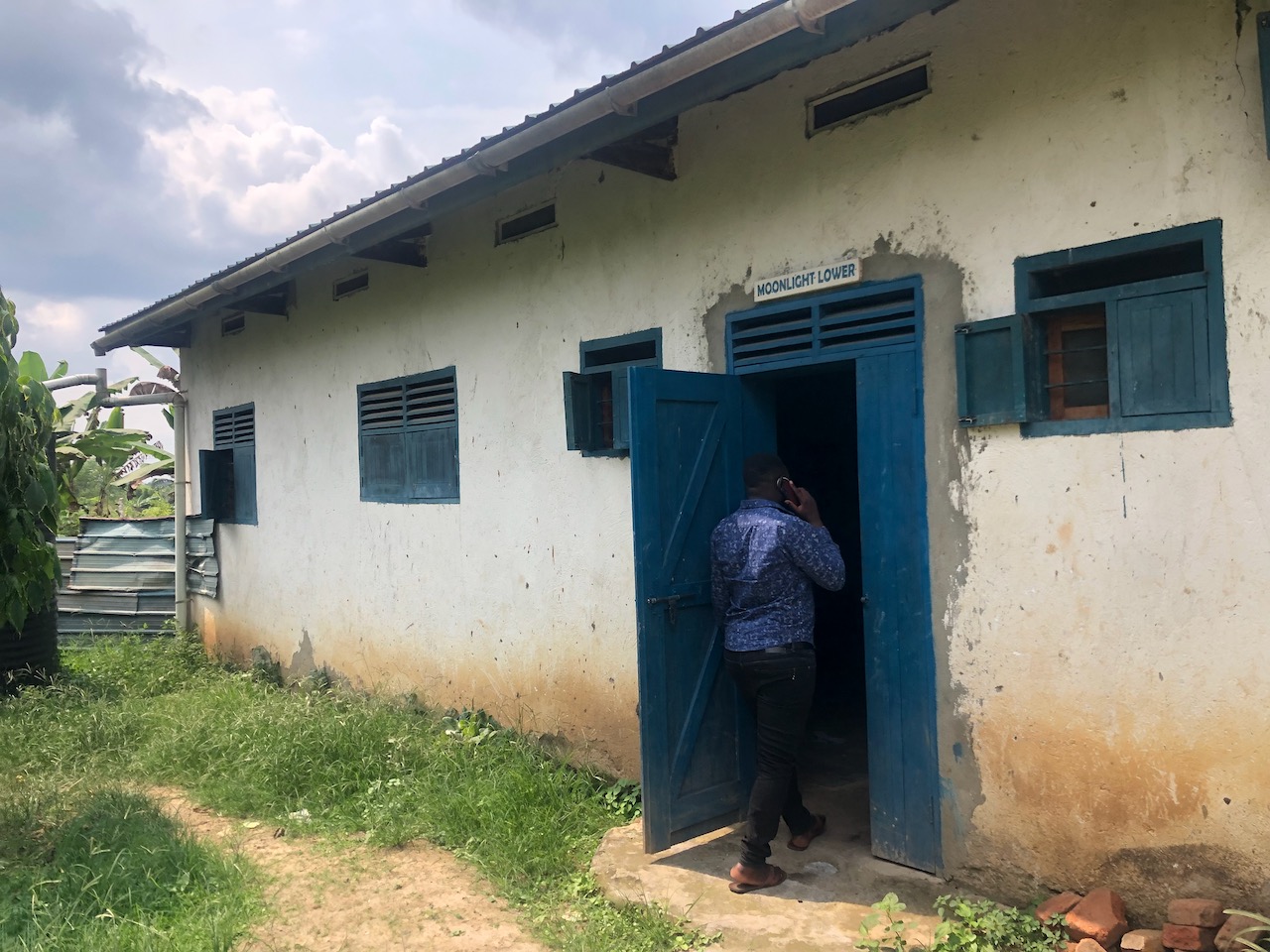
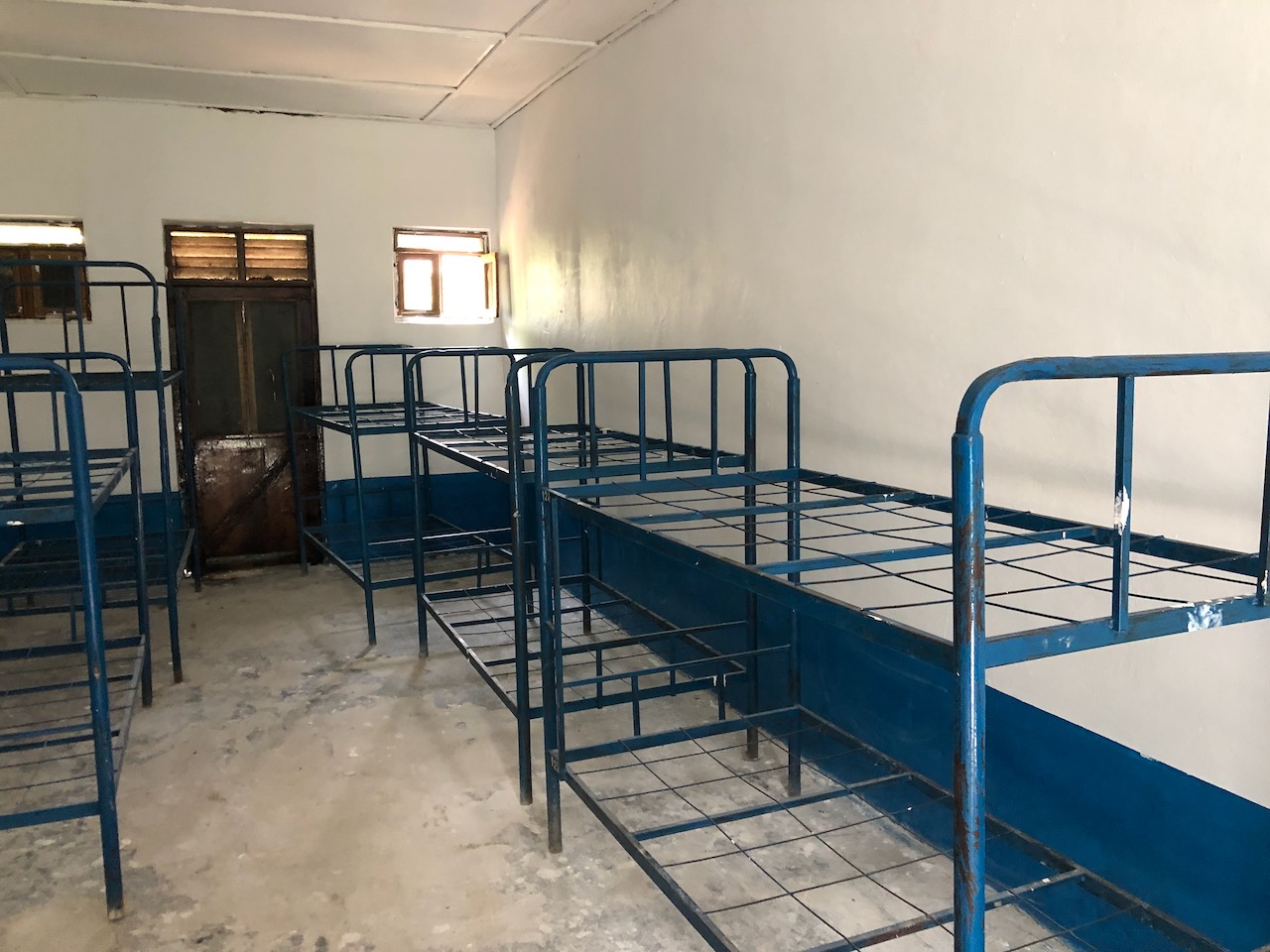
Scott also spends time on projects like the new chapel, and most recently organising paint for the girls' dorms, trying to take advantage of the down time. 
BEFORE/AFTER


But we also try to redeem the opportunity to paint!

And this weekend John was helping us prepare to distribute relief packages to 750 needy families identified by our district government, more on that collaboration later.

Meanwhile our interns went with our nutrition team to follow up some kids who had been discharged, and confirm they are still growing. So encouraging to see the way 12 weeks of gnut and soya paste, plus education, prayer, encouragement, can change the trajectory of a life!


And we continue to meet together, to encourage one another, to pray, to celebrate. This is our 6th week with Sunday morning sermons from around the continent, to learn to see Scripture from African view points with our interns. Today we celebrated Svitlana's birthday with a coffee cake too!


Keep praying with us, keep addressing the communal and systemic steep uphill climbs our neighbours face, keep working one by one too for everyone to live in the love of Jesus.


Thursday, July 22, 2021

Triple Strand Strength--Outsiders, Community and Government


 When we did our MPH degrees at Hopkins, we were blessed to sit in a class taught by Dr. Carl Taylor, one of the founding fathers of International Health as an academic discipline. He grew up as an MK in India and dedicated his life to the intersection of faith and science, service and academics. Truly a remarkable man. But what I remember from his class was a concept he taught about the triangle of actors that produce change: the community, the government, and the outside "expert" (his word, but we could just say outside actor). 

The community is a must, obviously. They are living the life, know the issues, have the motivation, must be convinced of the value of a new idea, stand to benefit or to pay. Dr. Taylor used a lot of community mapping methods --involving the community gathering its own data-- to raise awareness of problems. Then the government must align to scale things up, to provide infrastructure and jobs, to sort out policies. Lastly the outside actor comes in with ideas from other places, perhaps studies, innovations, fresh perspectives, training that would otherwise not be available--to catalyze change like an enzyme.

Yesterday, we accompanied Josh to do water sampling at his newest water project in Mabere. As we were huffing up the steep (20% grade) narrow foot path, a 3 hour climb from the last passable road to the source in a mountain cleft at the edge of the Rwenzori National Park land . .  . we stopped to catch our breath and snap a photo. And when I looked at it, I saw the very three-strand strength that Dr. Taylor taught. First, the community of Mabere started their own project, managed to build a little dam but never got pipes in the ground. Yesterday, the local village chairperson stayed close by, advocated for which houses needed to be served, and provided young men to carry water samples. And we are very much dependent upon a local water project technician, Tembo Justus, who connects us to the community, leads and guides and arranges. Second, we brought along water engineers from Uganda's Ministry of Water. They were there to certify the collection of samples, and will take them for testing in Fort Portal and Entebbe. They represent the government, who must certify the safety of the scheme. Already our local district officials have been to the site and signed off on the plans, and in fact they are the ones that chose this particular project as a priority. And lastly, Josh represents the outside actor, in our case a faith-based NGO that brings in engineering expertise and raises charitable and grant funding, manages the funds accountably, moves the project forward on behalf of the community and under the authority of the government. 


Sure, it might sound easier to just find a water source, buy some land, set up a system, and think that the obvious value will lead to buy-in. Over time, it is slower and more frustrating to collaborate every step of the way with the community and the government. People have to be heard, understood. We have to adjust, and sometimes we have to convince. I think that's why we see proliferations of projects . . . outsiders come in, things feel corrupt or opaque or slow or unjust or frustrating, and then they just break off and make a private scheme. There are times for that. But for basics of public health and sanitation, for broad programs like prevention of HIV or provision of safe deliveries and vaccines and literacy . . . for acting out God's rain-on-the-just-and-unjust mercy in society, this plodding three-partner approach is valuable.

If you follow our team for a day, you'd see this everywhere. At CSB, parent-teacher-association and government Department of Education strands twine with our mission's efforts. At the hospital, we work with our community colleagues, the government pays salaries and provides some essential drugs, we provide other help and ongoing education and support. In literacy and Bible translation and after-school programs, we collaborate with government schools, local parents, pastors, teachers. In nutrition, the same, we are just one strand that strengthens what the government and community also contribute.

Being an alien and stranger, an outsider, is often disorienting and dehumanising. We all get tired of being singled out and called names and laughed at, or being the last to know what's really going on. And yet, that very outsider-ness is part of what we have to offer. It's alienation and embrace, both - and, we have to be different enough to generate ideas and change and demonstrate grace . . and yet close enough to be heard and to love.

Yesterday was a solid picture of what that can look like. And the result will one day be clean water for families living in very simple homes, farming steep slopes, on the edge of anyone's radar. But right in the center of God's love.

Friday, July 16, 2021

Power and Vulnerability in a 6 pound package: the wisdom of babies

 Most days are pretty hard. The grid electric power has been off a lot this week, and it is not unusual for our team to juggle shut downs in electricity, water, and phone for hours or days, one at a time or sometimes all three together. As a doctor, if I lived elsewhere, it would be really unusual for a random patient to simply find my house and knock on my door and ask for free and immediate consultation and medicine. Here it is a daily experience, requiring that we set some boundaries, which sounds wise but still feels hard when you know that a choice not to hear a person out and hand over money or something from our little stockpile of pills could mean an untreated malaria that results in death. Something toxic bit my foot resulting in days of intense itching, burning, swelling, heat. Morning to mid-afternoon is usually focused here on the hospital, team, mentoring, meetings, visits. Later afternoons and evenings tend to fill with zooms, emails, policies, reading, responding. Nights for catching up with kids and moms. Every week there is preparation for leading a hospital Bible study, teaching our  interns from Somalia a medical topic, leading a hospital CME, preparing a culture study for team and a team business meeting, preparing a Sunday morning plan for interns due to lock-down of churches. Monthly commitments are scattered through the weeks as well, connecting with other teams in our Area and with our organisation centrally. We actually love this life most of the time even when it is hard (well, not the power outages or the fact that we're down to hot-spotting on the only functional phone line left or the mystery bites, but most things). But frankly it's relentless and hard to stay hopeful and engaged sometimes. 

Then there are moments of picking up the avocados and mangoes that fall and slicing them for a salad, or a surprise visit by a sweet little neighbour, or an encouraging note from someone who wants to donate to help. And almost every day, there are babies.

Babies who through no choice or sin of their own end up born too soon, or breathing too hard, or burning with too much fever. They can't talk or complain, they can't knock on the door, they can't even get out of bed. But they can cry and they do, and that has power to pull attention and action. Diane Langberg used that example to demonstrate that both power and vulnerability are part of the human condition: we all have both. (Part of a great talk about abuse in the church and all institutions and how being like Jesus heals). And often they are just sleeping, stretching, batting eyes, or snuggling into their moms. No matter how hard the day is, I have to smile when I'm uncovering little bundles in the incubators and find them dressed in a superhero blanket, or wearing a hat crocheted by friends across the ocean.  Babies, quintessential humanity.

In Matthew, after no doubt exasperating days much harder than mine, Jesus prays (11:25) "I thank you Father, Lord of heaven and earth, that you have hidden these things from the wise and prudent and have revealed them to babes." Literally, infants. Baana bakelembe, in my Lubwisi NT, and even though I'm a paediatrician, bakelembe was an unfamiliar word. Not just children, but the most simple and immature of that category. Really?

The whole passage is about Jesus' identity, who gets it, who does not. And immediately after that we hear about the lowly-in-heart King who offers a light yoke and defies the heavy Sabbath rules that rob rest. So what is revealed to babies? Babies know who their caretakers are. They don't hesitate to express their needs and emotions. They are born trusting, expectant, hopeful, dependent, relational. Babies know their parents. That's the kind of knowing that we need. That's the kind of knowing that brings comfort and rest.

NT Wright puts it like this: Jesus had come to know his father as a son does: not by studying books about him, but by living in his presence, listening for his voice, and learning from him as an apprentice does from a master, by watching and imitating. And he was now discovering that the wise and learned were getting nowhere, and that the 'little people'--the poor, the sinners, the tax-collectors, ordinary folk--were discovering more of God, simply by following him, Jesus, than the learned specialists who declared that was he was doing didn't fit with their complicated theories. 

I think of my nephew, and other extra-chromosome people, who err towards love. The empathy, the attention to connection. The unfiltered truth spoken by the marginalised. Yes, that's what Jesus is talking about that the so-called experts miss. And this is where power and vulnerability become not opposite ends of a spectrum, but an integrated paradox. Jesus' power comes from the cross. The more we are like Jesus, laying down our lives, the more our love has power.

Back to me, to us, running around our days feeling the stress of COVID, of loss, of lockdowns, of problems. What can I learn from the babies? 

  • One, that love is the most real presence, the foundational constant, the beginning and the end of the Universe. God is with us, offering to hold us, to care for us. "Come to me", Jesus says.  
  • Two, that it's OK to cry when you're hungry, to say what is true and what is wrong. To ask for help. To be openly vulnerable and not necessarily polite.
  • Three, that all healing takes time and community. We're not in this alone. And we're not out of the mess in a day or a year, this is a life-long arc of knowing and growing.
Today the babies in my care were pink and active and cute. Weights were edging up. Most of the news was encouraging, though the healing burns on one newborn are suddenly seeming to put her shoulder at risk of contracture, two one-month-olds have puzzling syndromes and are not yet thriving, malaria meds were skipped here and there. Not perfect, but better than we often are. And . . . 

Today our dear friends Jessie and Ike, who completed their short term work in Uganda a year ago, will release their 5 day old into the hands of the cardiac surgeons. Jack was born with an under-formed heart that does not pump enough blood to his body (hypoplastic left heart syndrome). He faces three stages of pretty intense surgical reconstructions now, in a few months, and in a few years. It is dangerous and draining. But like a good knowing baby, he's snuggling into his parents, blinking at his nurses, waiting for his heart to be fixed and his needs to be met. Praying today that Jack's heart is restructured to do its work, and mine is too. That all of us know the love that holds us, speak the truth that needs to be said, and stay close until the world is restored to its glory.


Friday, July 02, 2021

On Taking Heart

 The anchor of our days here: early morning runs in the cool dark, followed by coffee and Bible reading and prayer as the kingfisher trills and the weaver birds start their ruckus. In early Matthew, Jesus says "cheer up" multiple times, to desperate people seeking healing. And our Serge founder Jack Miller was fond of repeating it, usually in the context of yes, you're a mess and so is the world, but that's not the end of the story. Cheer up, there is a force of grace so powerful that no evil can withstand it. Sometimes I try to re-read the passage in Lubwisi, and found that what my NKJV translates as "cheer up" the Lubwisi calls "ogume mutima." Mutima is heart, and Ogume is a command to grow strong, from the same word that describes the development of a child over time as transformation, tallness, muscle, wisdom. It does not sound trite at all in Lubwisi, it sounds like a call to a battle. Take heart. Summon your courage. Strengthen your soul.

Take heart, a needed word this week.

COVID infections in Uganda are spreading like wildfire, as the delta variant lit the blaze with only 1% of the country vaccinated. Every day we hear of deaths of famous people, established leaders, senior doctors. And of other health care workers on the front lines. Last night we lost our first worker at Bundibugyo Hospital, a man on the cleaning staff. Once again the marginalised pay the price. As we share dinner in a small group with a team mate, she gets a text that two friends have tested positive. Even though most people will recover well, as we have learned over and over these last 18 months, even 1% mortality feels tragic when it is 1% of a very large population based number. In our district alone, that could be 2-3 thousand people. I don't think it will be that high, we are 50% children here, and the older people may be staying home, and Ugandans are excellent with public health. We have sunshine and breeze and we live outside the walls of buildings. We also have hope.

Still, in the morning meeting, we learn of a 2 year old who died within a short time of admission the night before, with pneumonia. Which could be baseline for a district with considerable under-five mortality, or could be another harbinger of COVID worsening to come. Meanwhile this is a place with holoendemic malaria. With extreme rates of sickle cell anaemia. A place where the top killers: prematurity, neonatal sepsis, birth asphyxia, pneumonia, diarrhea, and malnutrition, show up every day, sometimes every hour. So COVID notwithstanding, the hospital is still busy with the normal patients and the normal problems. Someone stole a lightbulb and now the outpatient waiting area is dark at night. The scale batteries for weighing newborns have finally been fully drained. A misdiagnosis nearly ends the fertility of a 25 year old heading into theatre for a hysterectomy, but thankfully Scott's ultrasound shows she's bleeding from a miscarriage not fibroids. We sort through three new sets of premature twins in small, medium and large (and by large, we mean 4 pounds . . ). The smallest one is 890 grams, less than two pounds, cradled in a power outage for warmth by a surprisingly engaged dad, which gives us hope. There are calculations and fluids, negotiating longer stays, warning a mother with a child whose bone is infected that he will need weeks of antibiotics. There is teaching our interns, greeting and thanking the nurses, pulling in our nutrition team, reminding everyone of the importance of vital signs. The usual. 

So what give us heart? 

Daily rhythms, which in a crisis do become anchored life lines. God told us how to stay human and healthy, and when we listen it helps.


An intentional search for the themes of beauty and grace. Noticing that even on a morning of grief, how awesome is it that our new pharmacist chose to preach from Luke 8 instead of giving a talk on malaria meds? Seeing what we have done taken up by others. Or just noticing the brightness of Jupiter setting. 

Community. Commonality. The moments when we can work in harmony with common purpose. With each other, our team, our colleagues and partners. The nurse that pulls out Dr. Marc's protocol and suggests a new antibiotic on a baby in pain. The intern that patiently jiggles the pulse oximeter until it reads, or counts breaths. The team mate that is working on clean water or teaching children, that sense of being part of something bigger, something God is doing through many. The friend that brings spinach from Fort Portal. The ever present reminders that we lean on the great cloud of witnesses who pray, who give, who care.

And lastly, remembering purpose. Today I read a reminder that we are not sent because we are anything special, quite the contrary, we are ordinary. God is extraordinary. So God plucks a few unlikely sorts and pushes us into a sojourn of discomfort in order to highlight that we are all loved. That this story has a good ending, eventually, in resurrection. That the road right now that feels dark and uphill . . . will broaden onto ways scenic and smooth. We are called to live as if that were true, by doing things that only make sense if it is. So be it.

As usual, we need to preach this to ourselves. Ogume mutima. Take heart.


Sunday, June 27, 2021

Good News? An open letter to COVID doubters

Nearly all US COVID-19 deaths now preventable.


So read the headline in the University of Minnesota's Center for Infectious Disease Research and Policy new article. The CDC released May's COVID numbers. And there was much to celebrate:

  • Daily deaths in America have fallen from several thousand to several hundred since January.
  • And almost none of those deaths are in fully vaccinated people (150 in vaccinated compared to over 18,000 in unvaccinated people in May).
If vaccines were doing nothing, then 9000 of the 18,000 deaths should have been in vaccinated people at at a time when about half of people were vaccinated. Instead, 150 were. This gives the public health researchers great hope, enough to write a headline that almost all deaths in the USA from COVID are now preventable.

But they can only be prevented if we take steps to do so.

And every day I hear from dear people, people we know, people we love, that still doubt the value of the public health recommendations. It seems that as a country, we made up our minds from the beginning whom we would listen to. But in case there is anyone who would like a few thoughts, read on. (Note this is an America-directed post, vaccines aren't an option most places.)

Are COVID vaccines safe and effective?
  1. There have been many vaccines in development (94 so far) and will continue to be, with phases of trials, rigorous testing, peer-reviewed data for publication, emergency use authorisations. A handful have full approvals in other countries. The sheer volume of effort and numbers can be overwhelming. Three are widely available and authorised for current emergency use in the USA (Pfizer, Moderna, and Johnson and Johnson). The vaccines range in efficacy in published trials and in real-world follow up, but generally a person is 80-90% less likely to get COVID with one of these vaccines than without, and 90-100% less likely to die.
  2. This is borne out in the real reduction of COVID in the places where vaccine roll out has been good. Such as the new and encouraging data for May in America.
  3. Every single medicine, vaccine, even food or cosmetics, has risks and side effects when put in our bodies. But we always have to compare the risk of a complication from a vaccine to the risk of such a complication from the disease. And so far no serious side effect has been found to be definitely associated with the vaccines, and even the rare events that have occurred after (not necessarily because of) vaccination have been dwarfed by similar events in people with the illness.
  4. 2.8 billion vaccine doses have been given in the world, so COVID vaccines are not exactly cutting edge risky unknowns any more.
So to our first question, we can answer, yes, it is in your own best interest to avail yourself of an extremely low-risk, free, effective protection.

Can't I just depend on herd immunity from other people getting vaccinated?
  1. Eventually, perhaps. In places with high vaccine coverage most diseases like measles or polio do not reach even those that refuse vaccines. Some people can ride on the steps taken by others. This should comfort the extremely rare person with an anaphylactic reaction to a vaccine.
  2. However, this coronavirus has some characteristics that might make that goal of herd protection many years away. It is a very very transmissible disease that has no precedent and therefore no background immunity. Places with low vaccination and high transmission are breeding grounds for variants. So by waiting for herd immunity, you might be part of the process of incubating more lethal forms of this illness. Sadly we see this happening before our eyes. Uganda is now experiencing a new wave of disease of the Delta variant (accounting for 95% of new cases), because other parts of the world did not lock down or take vaccines. This is happening in many countries, and will probably soon be a major problem in America too.
  3.  If that is true, it will become an endless cycle of trying to stay one step ahead on new vaccine boosters but always being defeated by the 30% or 40% of vaccine refusers who are generating variants.
So to our second question, we can answer, NO, you are making your own situation more dangerous by potentially contributing to the rapid evolution of viral variants.

Why do I need to be vaccinated if the person I am visiting is vaccinated? If the vaccines work, isn't that person protected?
  1. This is similar to the question above, but more from the perspective of individual encounters than population based data. If you are unvaccinated, whether you are symptomatic or not, you're much more likely to be carrying virus. So you should practice other public health measures, which we refer to as MOSSY: wear Masks, visit Outdoors, Sanitise your hands and surfaces, stay socially Spaced apart, and be You-centered (think of others). Or you can think of it this way: aim for 2 out of 3 between masked, outdoors, spaced. If you can be outdoors and spaced, then you could forgo masks. If you are masked and outdoors, then you can be near. If you are masked and spaced, then you could be indoors. (This advice applies to Americans, not to parts of the world with rising infection numbers).
  2. That means it is possible to do some things with uneven vaccination, like a family picnic. Shorter exposures are less risky too. But other things, like an overnight visit to spend days indoors sharing kitchens, eating together, being in close contact, are not advisable.
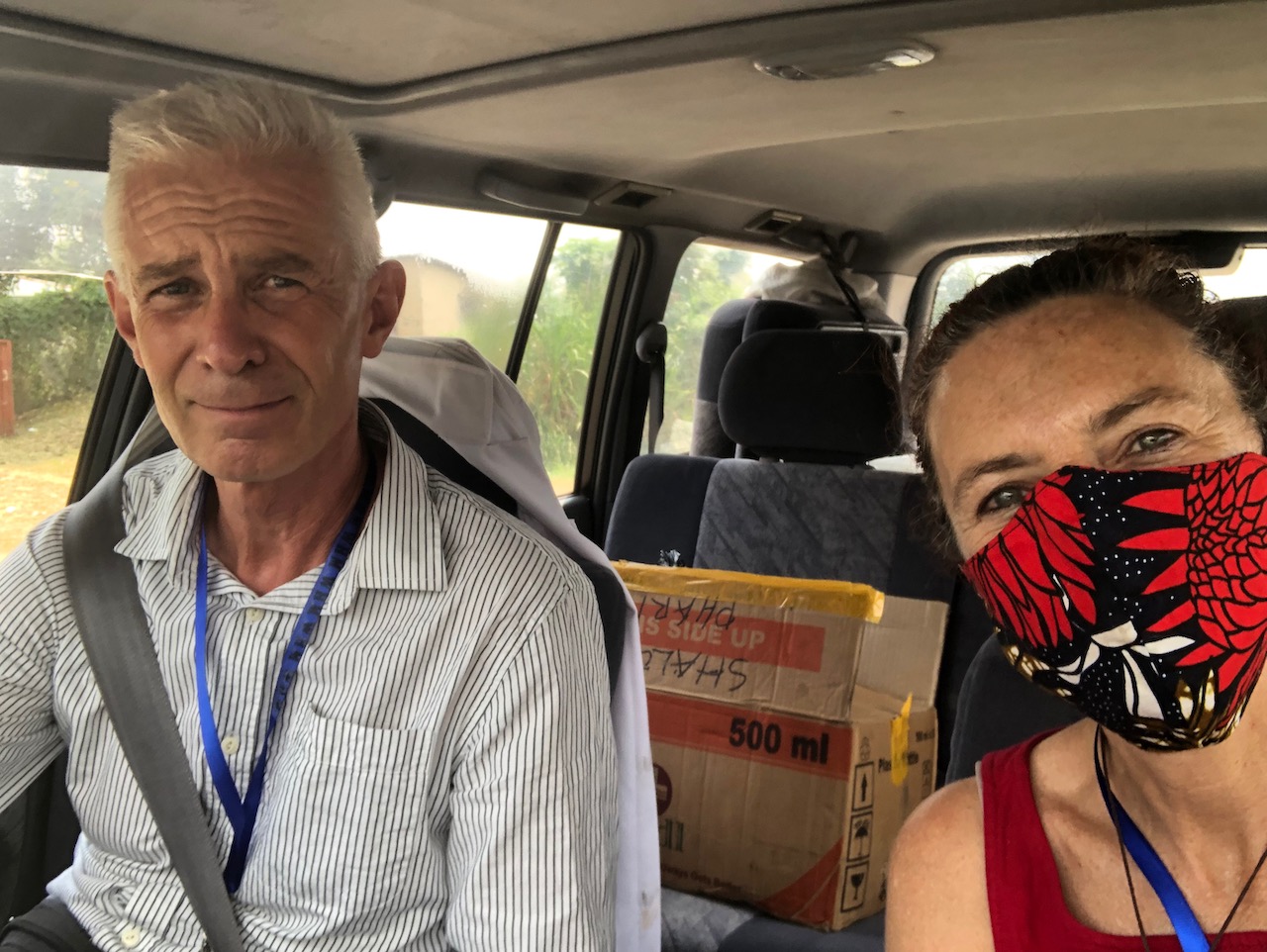
  3. While all the vaccines are effective, none are 100% and never will be. So, I think it is important to ask, if your grandmother or your cancer-treatment neighbour encountered infection from you  and became one of the 150 deaths in May of fully vaccinated people that got COVID anyway, can you live with that? Any one visit to any one vaccinated person is not likely to kill them. But do you want to be the unvaccinated person who happens to be the one that brings a lethal virus to a vulnerable person?
So the answer to this one is, you probably won't hurt someone else if they are vaccinated, but even the small risk you add to their life is unnecessary. This is just an appeal to take a moment to soberly ponder how you'd feel if your relative or friend was harmed by your choices.

Why can't we all just do what we think is right? It's a free country isn't it?
  1. Every country strikes a balance between personal freedoms and public safety. Some people would like to drink and drive, but as a culture we have seen that doing so robs innocent people of life, so we have decided not to allow it. You can drink to a stupor, but if you do so, you can't drive. You can smoke cigarettes, but not in public spaces where children would inhale the second hand smoke. You can build an apartment complex, but you have to follow codes intended to keep it from collapsing. We limit our "freedoms" continuously to avoid harm to others. In the same way, you can decide not to be vaccinated, but if you do so, you should consider, whether that should also obligate you to stay isolated. 
  2. So, there is a strong precedent for the interests of society to establish some guidelines to protect others. The entire book of Leviticus is filled with prohibitions on freedoms designed to help a massive group of liberated nomads walk through the desert alive. People with suspicious skin rashes had to stay away from others, even though God loves all of us.
  3. Staying away from others because of choosing against vaccination is a high and sad price to pay. And in many cases, it is also a high price to ask others to pay. Because it isn't just those who choose to not vaccinate that are affected, it is their entire circle of humanity. I think this is what makes me so so sad. When I see people in their 80s who have taken the "risk" and been vaccinated . . . . still deprived of some life-giving social interactions because some in a family, or book club, or Bible study, or friend group, or office, do not want to use the vaccine, it is hard. This issue is really dividing so many friends and family from each other. 
How can you comment on this when you aren't even in America?
  1. The view from Uganda is quite different. Here, we know that if someone gets very ill, except in very elite cases, there will not be an intensive care option. There will likely not even be oxygen. People around us would LOVE to be able to be vaccinated, but the vaccines which we received only allowed about 1% of the country to access protection. So, it's good to bear in mind that agonising over vaccine safety is largely a first-world dilemma. In the majority world, COVID is seen as a matter of life and death and many people would be incredulous to know that Americans elect to NOT be vaccinated.
  2. Because Uganda has little recourse to vaccines or to technical care, this country locked down severely in March 2020. That kept the virus mostly out, and we managed for over a year with very low infection levels, and restrictions slowly relaxed. But the world is interconnected, and before this country could vaccinate more than a limited number of essential workers, the Delta variant (which arose because other places were not following public health protocols) is now storming through. It is quite heart breaking to have a front line view of the local consequences of failed global public health.
  3. As part of an organisation based on cross-border travel, we do spend a LOT of time and energy reading, researching, pondering, praying about this pandemic. It is our sincere desire to live in loving ways to the world, to practice what we preach. So Serge has taken some firm stands on vaccination, lest we be contributing to the demise of the poor. We are thankful for that stand. But if that's not what you think about most days, please take all the above with grace! We might sound alarmist to you, but in our world we are desperately trying to protect our octogenarian mothers, our special-needs relatives, and our locally terrified hospital staff. 

In conclusion, we know that the proliferation of misinformation and the politicisation of this pandemic has caused inestimable harm.  By early 2020, many people were already choosing to either believe COVID-19 is a trivial infection exaggerated by the powers that be and the scientific establishment, so we should protect our individual freedoms at all costs while we wait for herd immunity . . . or that COVID-19 is about ten times more lethal than a bad flu to which no one is immune so that even a 1-2% mortality applied to the whole world while achieving herd immunity is unacceptable. I know that very little can be said to convince the former group to move to the latter group. Almost 4 million deaths and 200 million cases later, we are still learning and striving to do what is right and best and loving and sensible. We pray that all of us can look not only to our own interests, but also to the interests of others (Philippians 2 is a good, challenging read right now). I have to repent of anger and judgement and ask the Spirit for humility and love. And we ask for stamina to see this pandemic through. If you read this far, pray for us. And thanks.

Thursday, June 24, 2021

Good overcomes Evil, the promise that our paltry efforts are part of the all-things-shall-be-worked-out-new . . .

Do not be overcome by evil, but overcome evil with good. Rom 12:21

Morning reading, sipping coffee, pondering. Deep breath for facing the day. By 7:30 trying to sift through as many emails from overnight as possible giving quick answers before we head to the hospital at 8. There we find the usual morning staff meeting, outdoors and socially spaced, unusually well attended. The COVID - reality is sinking in like a lead balloon. This week we went from almost no cases in Bundibugyo to 5 to 10 (mostly hospital staff), including one very sick one. Colleagues told of a 40 and a 32 year old doctor who died of COVID in Kampala. Considering that we only can do a handful of tests, the fact that 70% have been positive is a bit worrisome. In the meeting we are discussing the fact that of our 18 oxygen cylinders, only 4 were refilled in Fort Portal (2 hours away) because the plant is maxed in capacity.  We have bought numerous oxygen concentrators this past year, but most seem to have mechanical issues after a few months, due to the unstable electricity or the constant use or the humid bug-dense Bundibugyo atmosphere or the fact that most health care staff have minimal experience with machines. Two were repaired this week. The pharmacist is concerned about indications for dexamethasone; if over-prescribed we will soon run out. Everyone is concerned about masks. The meeting has the feeling of a town without defenses preparing for siege. The evil of a virus, of poverty and injustice, of unequal access to vaccines and oxygen . . . As the United States trends downward with rapidly dropping rates and hopeful summer concerts and plans, Uganda trends steeply upward with sorrow and uncertainty and restrictions. Until everyone is safe, no one is safe. South America, southern Africa, India, so much suffering. How do we overcome such evil with good? We start with sharing a box of our remaining masks. 


As the meeting finishes, we get a call from our office manager John. Two days prior, the local government had informed us that the transit camp for our border with the DRC was receiving refugees crossing the Semiliki river at the rate of 100-150/day, and the total already topped twelve hundred. While refugees are the purview of UNHCR and the Office of the Prime Minister in Uganda, the response engine starts and moves slowly. Red Cross had blankets, but immediate food aid was needed. We decided to spend down some of the balance from our previous flood relief campaign, thankful that we had established an emergency relief fund. For ten thousand dollars we could serve over a thousand people with beans, posho, oil, plates, cups and jerry cans for a couple of weeks while the big guns organize their more substantial shipments. Our CSB OB's and OG's (alumni) are getting skilled at this now, and sprang into action loading up trucks in Fort Portal which required a fair amount of paperwork to move in a lockdown. They arrived at the camp this morning, so we went to confirm the donation with the camp managers.  Children swarmed around a covered play area and out in the grass. A dozen or so families had cooking fires, but most people were waiting for massive pots of porridge being prepared for all over an outdoor wood-fire range. Laundry was woven through the fences to dry. The shed-like buildings have plastic tarps stretched tightly over wooden fames for walls, and are quite dark inside with little airflow, but provide some shelter from the elements. Not very COVID safe. The latrines were labeled in Swahili with helpful male/female stick figures. We chatted with a group of men watching the trucks unload--they talked of unknown rebels, maybe ADF, attacking their village in Boga. They didn't see any recourse except to flee with their lives. We communicated in Lubwisi because the language groups are similar, but they came from a half dozen different tribes. They said they were hungry. They wanted their own rations, not group meals, but we said we had to respect the leadership established by the governance of the camp. I didn't mention that almost exactly 24 years ago we were attacked by the ADF and fled on foot and depended on the kindness of strangers to feed our kids and get transported to safety. They seemed a lot calmer than I remember feeling at the time. MONUSCO (UN), FARDC (Congo army), and UPDF (Ugandan army) all seem to be involved in trying to protect the border and the population from the ADF, though the men we spoke with only reported seeing the UN blue beret troops. There have been at least three major attacks reported in the news in the last few weeks, with up to a hundred deaths and 6,000 people displaced. We see more reassuring Ugandan military moving up and down our road than we have in quite a long time. So more evil, more war, greed, hunger, violence, loss that needs a response of good. We are not a major relief organisation, but we are grateful for donors who have invested in the emergency fund for quick action. Perhaps sacks of beans and stacks of jerry cans seem paltry, but in God's hands we trust they will do something.

Back to the hospital, in spite of COVID spiralling into crisis and refugees fleeing into the district, babies are still being born. A fourteen year old mom whose baby is dry, febrile, sick. An older mom whose baby is in respiratory distress. And so it goes. Our nurse Kacie has decided to focus in the NICU for now, for which I am grateful, though the indecipherable correlation of babies to moms to names to weights to files just about defeated both of us. Thankfully Scott and the clinical officer had helped out on the Paeds ward, so I just had to consult on a couple of very malnourished kids there. That left the last hour of the day to teach our group of new Medical Interns from Somalia about malaria, which is one of the few things that plagues Uganda MORE than Somalia. It was a reminder of how nice it is to have a group of eager-to-learn trainees, and to try and engage them. We can barely understand each other's English, but sometimes we resort to drawing things, and we seem to connect. The evil of the child mortality in their country, the lack of resource for education and training, and the little step of overcoming that with the good of an hour of investing in these young men. 


Then it's the evening, a visit or two from neighbours, preparing to feed our four university-student Serge summer interns, catching up on some Area work. The good of a local pumpkin, of thick fragrant beans. Of a blowing fan in the heat, and affectionate dogs, and a day wrapping up into quiet. 


Saturday, June 19, 2021

Beauty, Ballast, Bundibugyo and Juneteenth Independence Day 2021

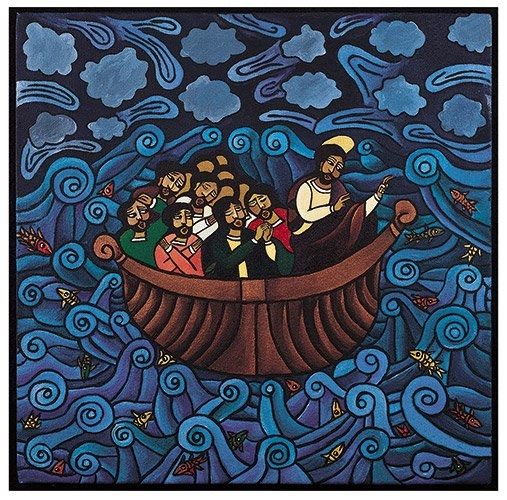
The Ballast of Beauty. This phrase skipped across my rabbit trail in a search for, I don't remember what, (but on a site for an organisation in Virginia called Coracle). Since I saw it, I can't forget it. Ballast. The weight of the word, a stone, a stability. The intentional collection of that which is real and concrete and dependable, and not just holding it but holding it in the heart, in the depth of being, so that it becomes a type of gravity in the storm. A counterbalance to all the world throws at us; a centring that keeps the course through a million trials. Picture a boat, a lake, a storm, and a man in the hold asleep who turns out to be the ultimate ballast, the cornerstone of creation. The person in whom the word of truth takes form, in whom beauty has been personified.

Laura James

Yes, beauty. Because the attention, the intentional attention, to beauty is a kind of ballast. We live in a place that has known war, poverty, fatal epidemics, injustice, hunger. And yet. We live in a place where beauty surrounds us every day. This morning I watched a thrush preening feathery orange flanks on a branch heavy with avocados, melodically welcoming light. Bright gold weavers swoop from the palms; snow dusts the craggy Rwenzori peaks. Faces beautiful with experience and hope, fabrics beautiful with colour, hairstyles beautiful with intricacy. Music, light, food, community, trees, children rolling down the grassy embankment, paintings and photos. All that beauty makes a direct soul connection to something larger. Something expansive. Something real that challenges the discouraging bombardment of problems.

Everything's goin' to be alright, the beauty says. 

And that is a ballast that does not remove us from the dark seas, but gives us a course through them.

Yesterday, after being called upon (surprise) to give a CME teaching and a Bible teaching for 40 hospital staff in our morning meeting, after working my way through a dozen-plus babies in NICU punching in numbers to calculate percentage weight gains and target feeds, after reviewing a death and finding the lab results on a baby whose brain damage I had thought was all from a tragic arm presentation and emergency took-too-long C section actually had a gram negative meningitis, just after I did a lumbar puncture on a similar very sick newborn . . . I walked into the Paediatric ward hoping to find that our new interns from the highest mortality country in Africa had been preparing for rounds. Instead I found chaos. Over the next few hours, it seemed like every minute another person was asking for attention, putting a chart in front of my face, interrupting one problem with another, and most of them deeply intractable and potentially fatal. Trying to extract a history of a mother who was in denial focusing on her seizing unconscious hypoxic child's issue as malaria because that's what another clinic told her, but when I turned his head to the side I saw a huge healing gash, and it turned out that two weeks ago someone had ?accidentally hit him with a hoe with great force TWO WEEKS ago and he'd been in trouble ever since. Then there were the twins whose grandmother's main concern was that especially one didn't produce enough stool so she was giving them enemas, but they were not pooping because they were starving. And on and on. Not trivial inconveniences, real brokenness.


Into all that, we need Beauty. 

The world is broken, the world is beautiful. Both are true. No averaging, no cancelling, no explaining, but two grasps onto two parts of paradox.

Which brings us to Juneteenth. Until everyone's free, it's not really freedom. The USA just decided to recognise June 19th as a national Independence holiday, the day that a group of enslaved people in Galvaston, TX, finally got the good news that the emancipation proclamation applied to them. The final reach of the new legal reality, even though we are still on the path to liberty and justice for all. Those Americans, or their ancestors, reached the continent on ships from Africa. Not on the deck, but in the hold. Human ballast. I just read Barracoon, the publication of Zora Neale Hurston's anthropologic account interviewing Cudjo Lewis/Oluale Kossola, the last survivor of the last ship of African human cargo shipped from Benin to Alabama. Much can be said about this book, much is a punch in the gut and a wound in the heart, but what I was left with was the humanity. Hurston manages to paint a real person, in a complexly appealing and recognisable way. And his memories of his childhood in West Africa included some cultural rites of passage details that he told as great delights, and which were so similar to Bundibugyo that I nearly gasped out loud. The transcontinental weaving of story by the ocean passages, the suffering but also the survival. And not just survival, but admirable spirit, creativity, transcendence. Remarkable.

On our first national Juneteenth, let us remember with grief the unpardonable cramming of humans into ships as ballast for the purpose of profit. But let us also recognise the ballast was of inestimable non-monetary value as beauty that has kept America and the world afloat. Beauty seen in faith, in Gospel and jazz, in painting and dancing and poetry, in theology and science and speed and skill, in determination and laughter and courage in the face of death. 

Maybe one day we'll have vaccinteenth. Because we're not done with COVID until everyone's done with COVID. Here in the land of <1% vaccine access, 18 months into the pandemic, the worst is yet to come. Uganda is seeing one of the highest rates of new infection in the world. Our president announced a school-closure limited-to-your-district lockdown less than 24 hours after we landed from Home Assignment; now 12 days later he tightened that down to the intense stay-at-home lockdown we had last year. No driving except cargo and essential medical. No gatherings. People are afraid. (Note, unlike last year, the airport is still open and vaccinated tourists are still welcome to move exclusively to tourist destinations in registered tourist vehicles and spend their tourist dollars). Freedom from enslavement and freedom from pandemics falls unevenly over the world, and once again Africans and their descendants get stuck waiting.

So as we navigate the latest storms, pray for the ballast of beauty to keep us on course, afloat, hopeful, alert.

Interns Lexi, Shione, Svitlanna, and Noah with our Serge Apprenticeship Leader Ann--beauty! They made it just hours before the new lockdown rules. Whew. And all are vaccinated. Praying for their summer. More beauty from this week below. Praying as well in the words of Amanda Gorman: For there is light, if only we're brave enough to see it, if only we're brave enough to be it.